
I love reading the different translations and paraphrases of scripture, because, as Paul said in trying to describe the dimensions of love, we can never really grasp “how long, how wide, how deep, and how wide” the Word really is. Like anything deep and true, we can choose to skim the surface and skip around its table of contents, or we can go to a deeper layer of understanding and connectedness, and still only be discovering what we have yet to know.
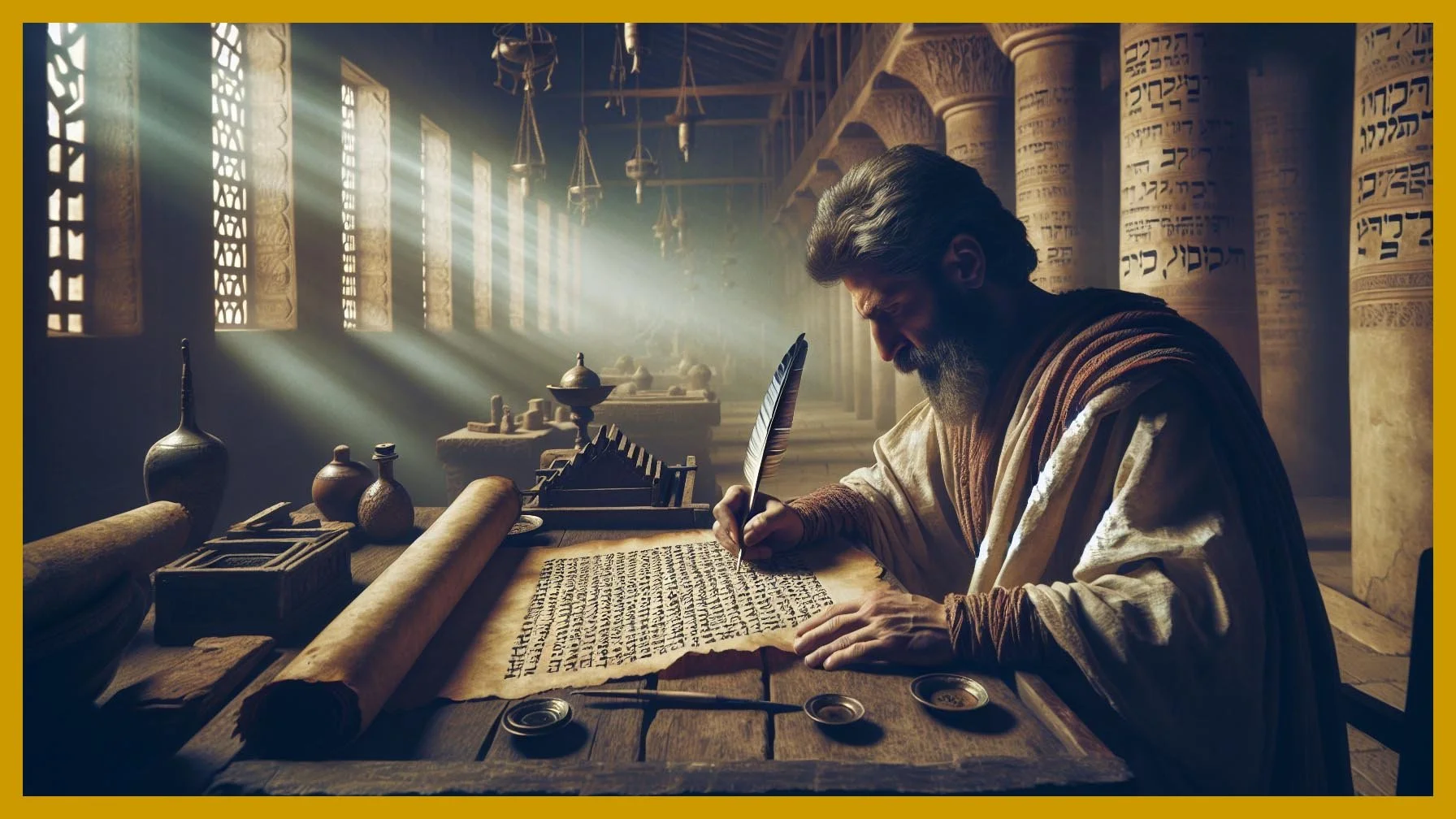
The journey of translating scripture begins with many very different motivations. Tyndale in 14th century was determined to give English-speaking people the scriptures in their own vernacular to free them from the restraining control of those who would keep it in Latin. (read Tyndale by David Teems) During this terrifying process, he was threatened, pursued, and eventually died for the purpose of giving regular people the Word of God. In his passion to free us to know the Word for ourselves, he was driven to find the words we could understand, and in doing so gave us many passages so insightful that they have never been improved on to this day.
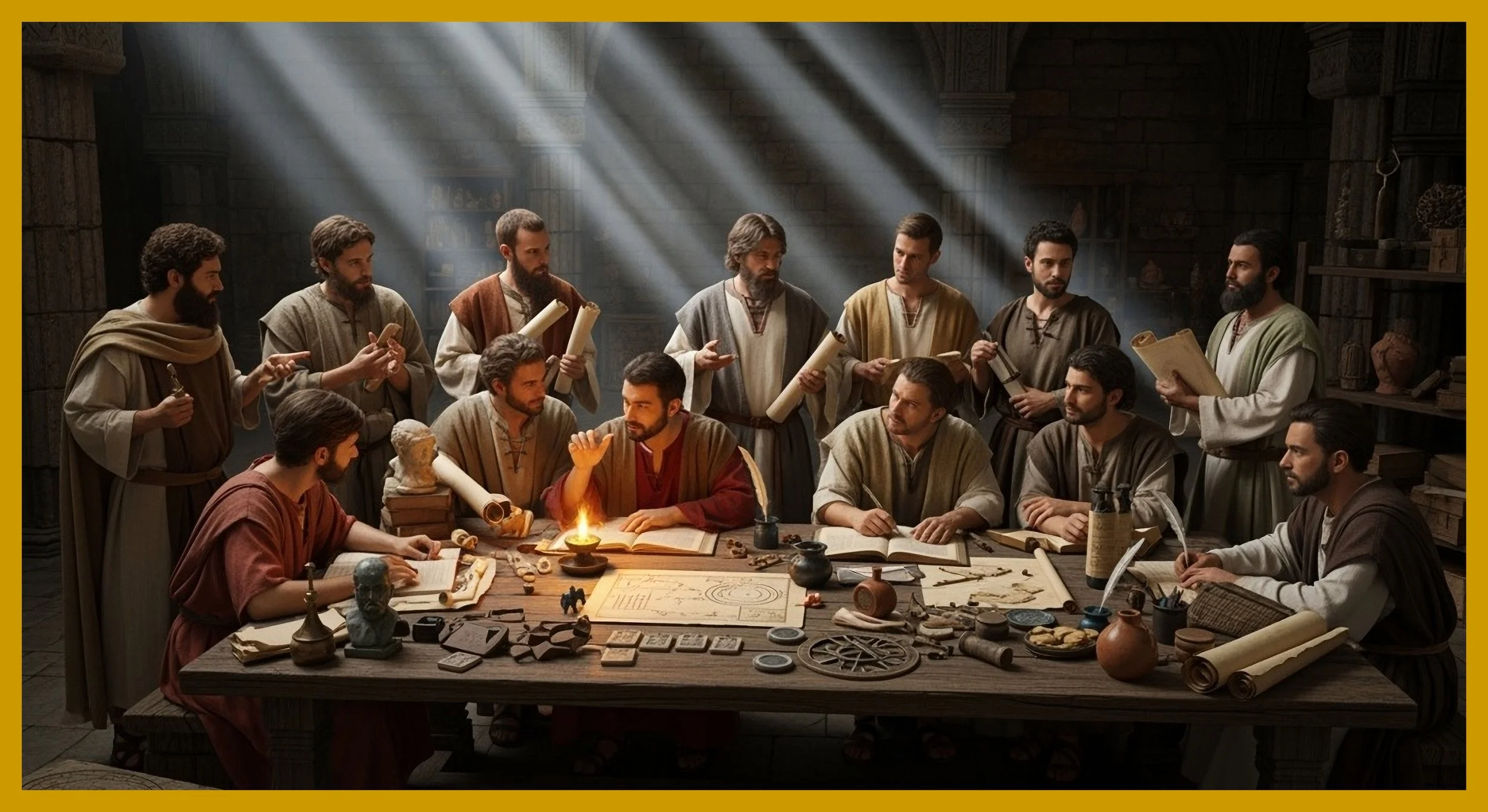
King James wanted to settle the tension between the Puritans and the Church of England. (read Majesty by David Teems) He assimilated the greatest scholars of his time to research accuracy while also creating the most “elegant” use of cadence, rhythm, and poetic flow so the translation could be read aloud in churches. Both the King James Bible and its contemporary Shakespeare gave us hundreds of words and phrases that have become a part of our language today.

On through the centuries as English continued to evolve, lovers of the Word have tried to help us not only to understand the original intent of the writers from Abraham to Moses, from Isaiah to David, from Matthew and John to Paul to Timothy, but to take that meaning to the streets of America, Britain, South Africa, and wherever English is spoken. How would the original meaning in the culture of that day translate to our fast-moving cultures today? Good translators were driven to their knees to ask God for the words.
Today we have the rich insights each set of translators and paraphrasers have received as they studied the settings and context of the original manuscripts to bring the meaning of the scriptures to us. NIV, RSV, the New King James, the American Standard Version, the J. B. Phillips translation, each have brought new dimension to our understanding.
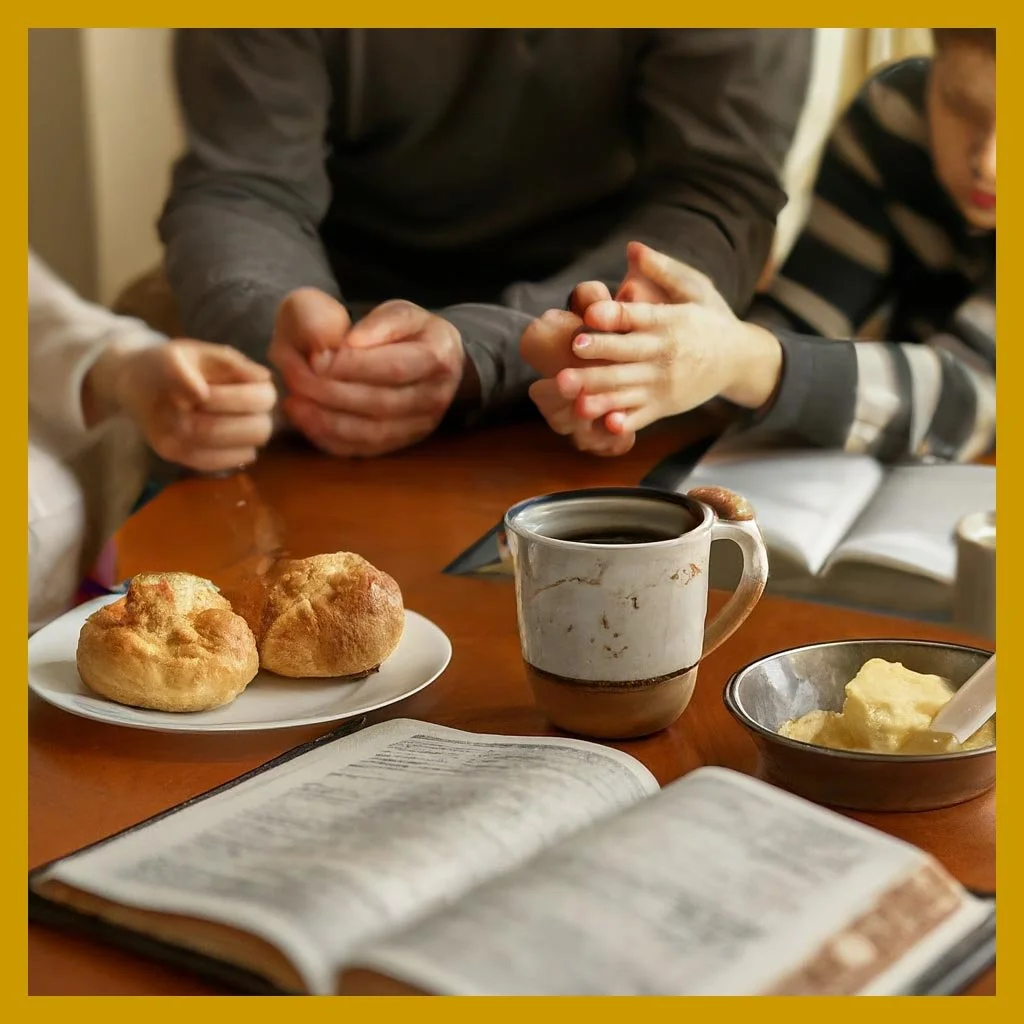
In trying to help his children understand the bible around their family worship times, Ken Taylor began to put the scripture in the words children could understand. That began the journey that we now call the Living Bible. Bill and I have given this paraphrase to each of our children and grandchildren as they got old enough to read the scriptures for themselves. In my opinion, there will never be a better translation of Psalm 139 that the one Ken Taylor has given us. (see <lovesongtomylife/Praise You>)
Eugene Peterson’s The Message was not intended to be the most “elegant” paraphrase. Peterson has said that what we now know as the New Testament was written and spoken by regular people in regular circumstances, coming to see, recognize, and follow Jesus. He wanted his paraphrase also to be in our regular language as we are in the process of our regular lives.
Those who handle language must do so with fear and trembling. Words are so much more than words. Every word or phrase is a metaphor for an idea, a meaning, an intension. The sound and rhythm of language plays into its positive or negative implication. Words are art. Words are weapons. Words are promises and pledges and prayers.

Surely, revelations and epiphanies come to translators, too, as they do to scientists and theologians and songwriters. Various translators and paraphrasers have given us unforgettable passages when they were seeking just the right way to impart the eternal truths.
Tyndale’s “In Him we live and move and have our being” will forever give us the assurance that we or our children or those we love, can no more run far enough away to be out of the love and presence of God, than a fish can run away from water.
It was Eugene Peterson who was given this amazing paraphrase of Jesus’ words in Matthew 11:28-29:
“Are you tired? Burned out on religion? Come to me. Get away with me and you’ll recover your life. I’ll show you how to take a real rest. Walk with me and work with me—watch how I do it. Learn the unforced rhythms of grace. I won’t lay anything heavy or ill-fitting on you. Keep company with me and you’ll learn to live feely and lightly.”
Oh, how we try to force the beauty of Jesus through the tight sphinctered, man-made institutions of religion! How disillusioned we get, trying to get “right with God” by striving to follow the formulas and regulations made to force our allegiances to something beside the free air of the Holy Spirt and the sweet friendship with the lover of our souls!
The rhythm, the music of our lives is God, singing His grace over us, and we, in turn—so full of grace—singing it to others in need of grace, mercy, and forgiveness. The sweet music of our grace, given to others, reaches the Father’s heart, and He gives even more grace. Rhythm, indeed!
Whether we hear the Father’s grace-song in Greek, Aramaic, Latin, Spanish, French or English, His words are carved, “not on tablets of stone, but on the flesh of the human heart.” (II Cor. 3:13). In turn, we become, as Paul said, a living, walking letter of what Jesus defined God to be, and how that can change us from the inside out.
Eugene Peterson found the words to say it best in today’s English. Jesus invites us to lay down everything that is “heavy and ill-fitting” and “learn to live freely and lightly.”
What songwriter could resist the rhythm of the very line itself? “Livin’ in the rhythm, livin’ in the rhythm, livin’ in the rhythm of grace.” At least Bill and Larry Gatlin couldn’t and that’s how a life of joy--and songs—begins to happen!
